Deploy Report Server on an Azure Container Instance and using it from an Azure Function

Report Server Azure Container

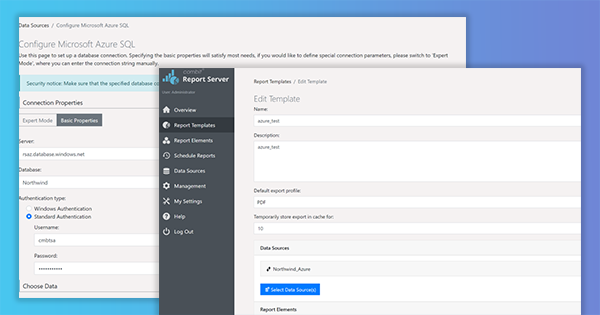
As we keep getting requests to support calling List & Label from an Azure Function, and – due to several restrictions like e.g. GDI sandboxing – List & Label can’t be used directly in this context, I thought it might be interesting to explore another way to the cloud, this time using the Report Server. Using its REST-API, you can even create reports from an Azure Function. But let’s walk through the process step by step.

New Service Pack 27.002 for List & Label and the Report Server

service pack 27.002 icon in notebook

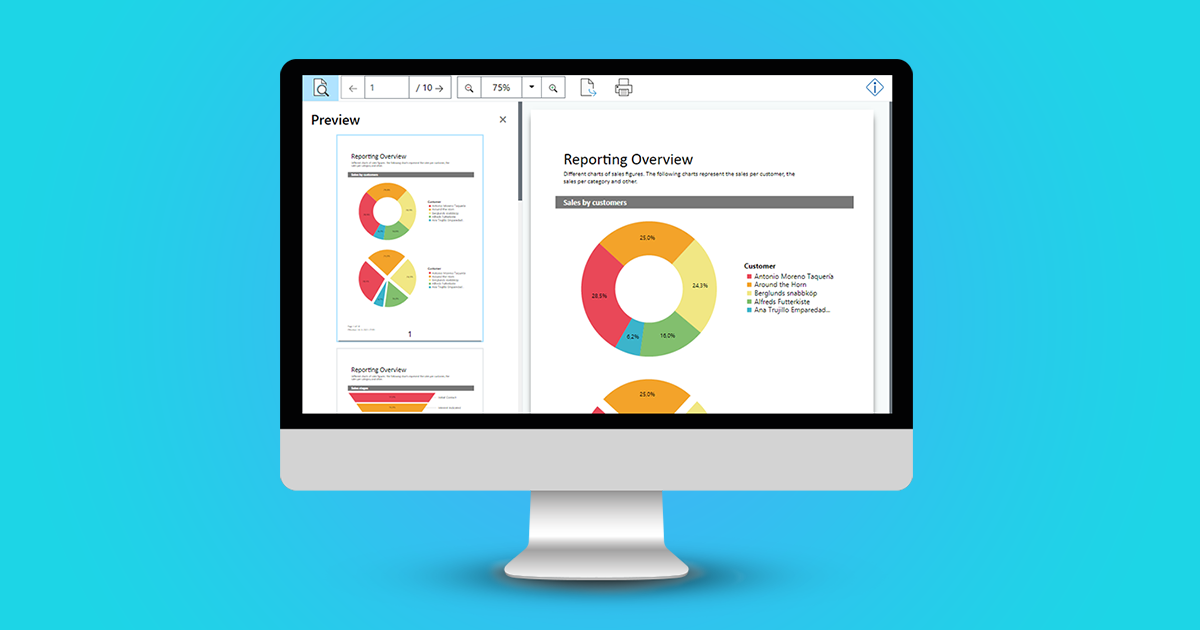
The new service pack for List & Label 27 brings many enhancements and improvements especially for the new Web Report Designer as well as for Delphi and .NET developers. In addition, the new drag & drop interface for charts now also supports the selection of an aggregate function. The report template preview in the Report Server uses the new Web Report Viewer, styled according to the applied Report Server customization. Read our blog post for more highlights. The individual entries have been taken directly from the English readme.

No More Printer Driver Dependency: The New Printerless Mode in List & Label 27

App to the Cloud with LL 27

This was a huge issue, that has been bugging us for years. While – generally speaking – List & Label’s level of printer control is unmatched by any competitor I know of, we always required a printer driver in order to execute this control. On the desktop, that’s all fine and well, as Microsoft conveniently provides the XPS Document Writer and – in more recent versions of Windows OS – the Microsoft PDF Writer. Those are always present and accessible. However, on the web and in the cloud, it’s a different story.

Vastly Improved PDF Export

PDF Export List & Label

PDF is by far the most important export format and one of the targets virtually every user is actually working with. Over the years, we've employed a number of different SDKs and versions of these SDKs in order to write decent PDF files. While the results were excellent already for "normal" cases, there were a couple of restrictions in more advanced scenarios. This has changed in version 26.