New PDF rendering engine in List & Label 31
Why a new rendering engine? PDF documents have long since ceased to be used “only” as a pure export format in List & Label. In … Read more
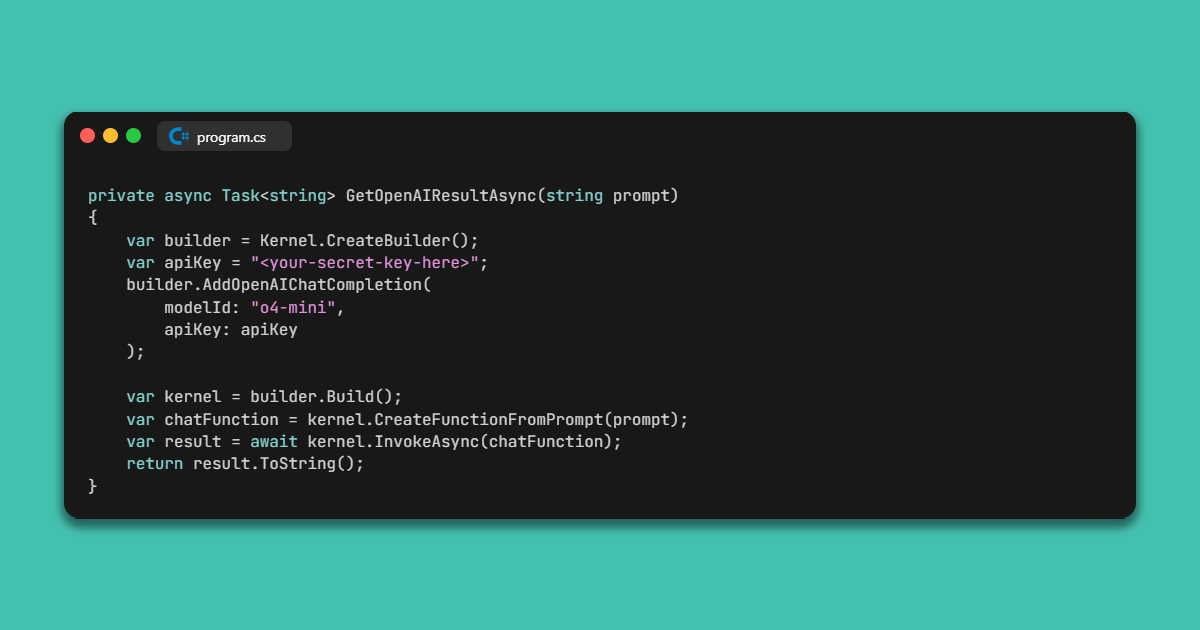
AI is everywhere—and now it’s in your report designer, too. With a quite simple AI$() designer function, you can embed the power of OpenAI or other LLMs … Read more
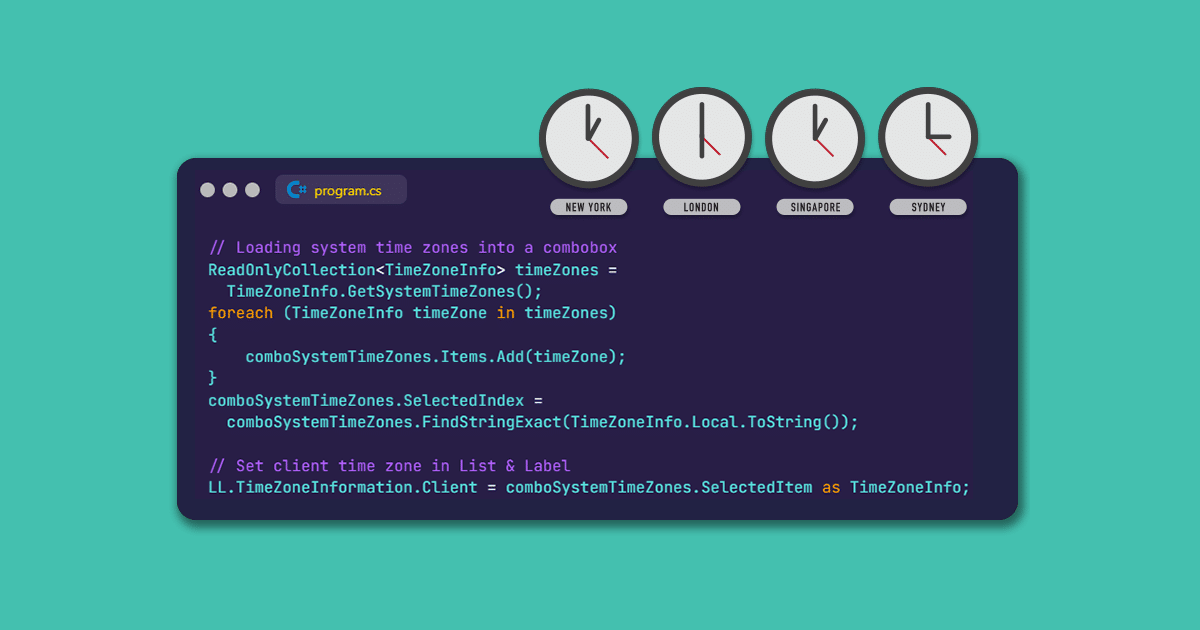
In the world of server-based reporting, there are often challenges in connection with different time zones. The complexity increases in particular when the database server, the … Read more
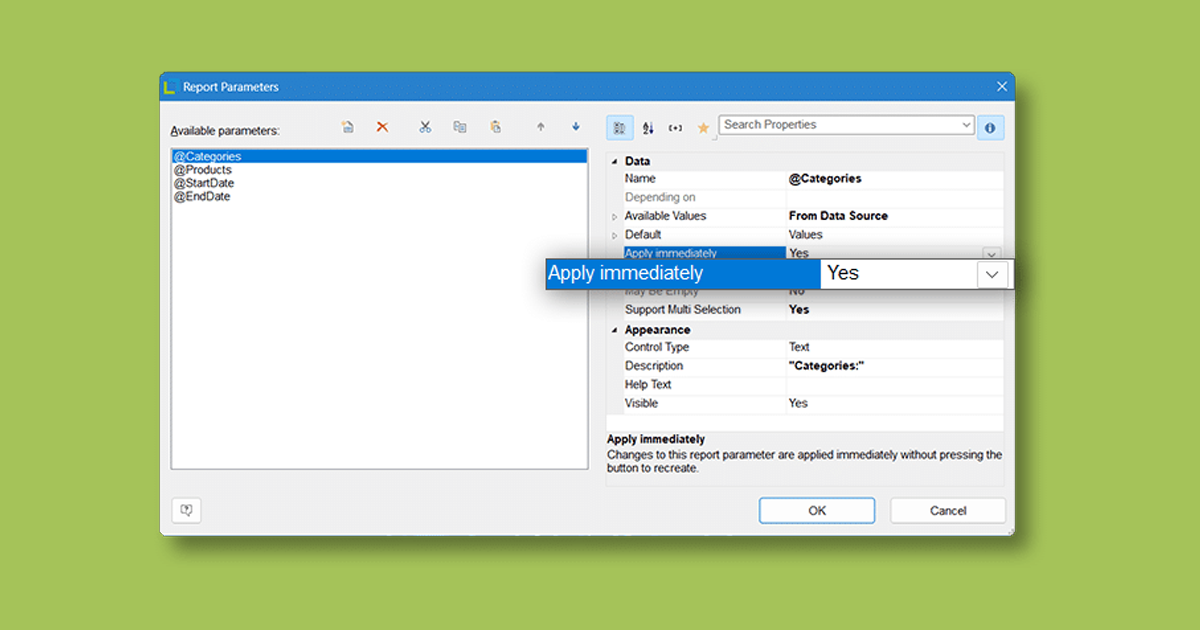
With the new “Apply immediately” property for report parameters, you no longer have to click “Refresh” manually every time: as soon as you change a parameter with this option enabled, List & Label automatically re-renders your report. It saves you time, streamlines your workflow, and delivers an intuitive user experience—both on desktop and on the web.
A very popular wish from our Idea Place is finally fulfilled in version 30 – SVG files are optionally output as vectors.
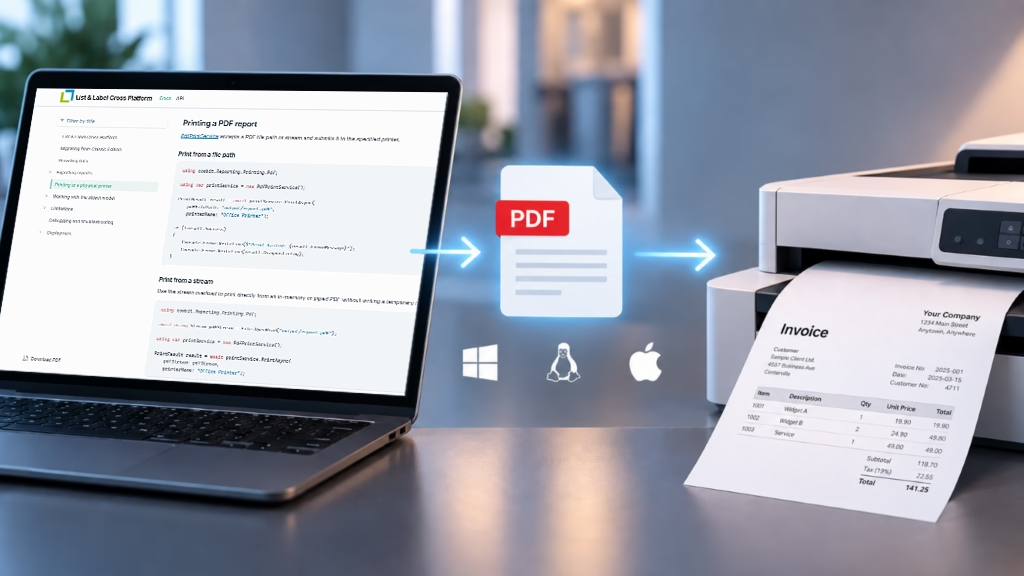
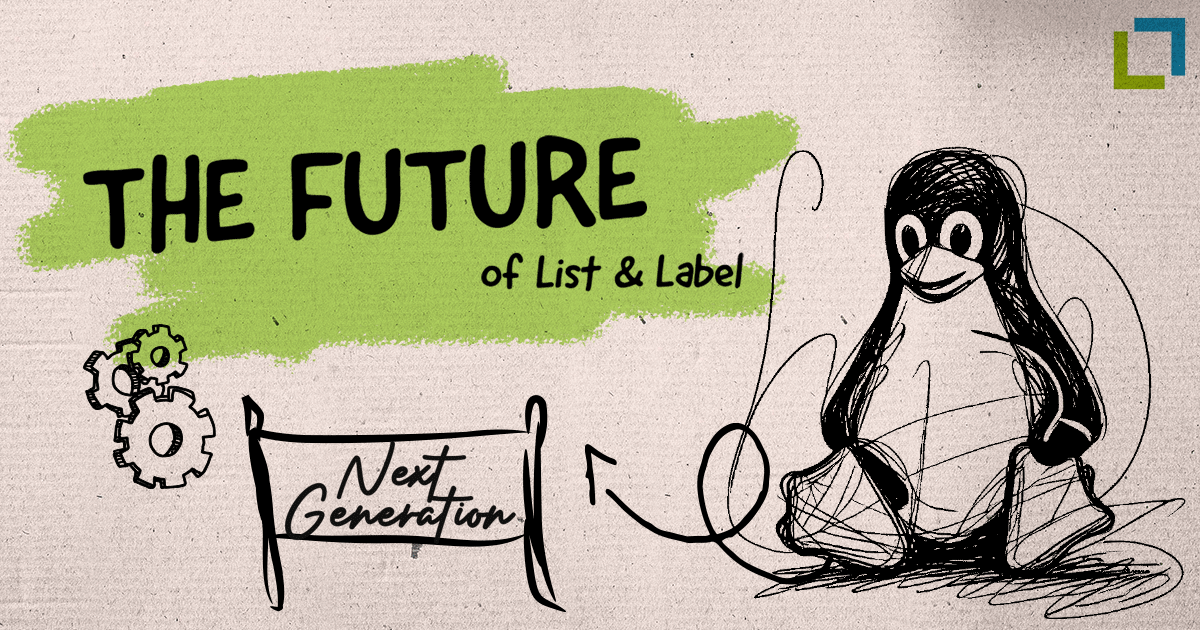
Maybe you’ve already seen it on our social networks, our website, or in our livestream: at combit, we’re currently working on a new, forward-looking offshoot of List & Label—a cross-platform reporting solution that will primarily run on Linux. Internally, we call this project List & Label Cross Platform (LL-CP). It is aimed primarily at developers looking for a stable, high-performance, and modern reporting solution.
QR codes have extremely good error correction. This can be used to add design elements to these codes or to vary the shape and size of the individual modules in order to achieve graphic effects. Previously, List & Label could output standard QR codes. With version 30, there are a number of new options for the code.
Since the release of ChatGPT, the world of artificial intelligence (AI) has changed rapidly. You’ve probably already had experience with tools like ChatGPT or GitHub Copilot that take developer workflows to a new level. At combit, we’re also open to the possibilities that AI offers, and are continuously integrating them into our own processes.
At combit, we prioritize accessibility in our software solutions. Understanding the importance of Section 508 compliance, we have developed a Voluntary Product Accessibility Template (VPAT) for List & Label to help you meet these requirements.
Applications are increasingly deployed in Docker environments or directly on the web server. With doing so, it’s often challenging to provide fonts. In particular, installing fonts in Docker containers can be a tedious task, as previously documented here in our forum. Fonts often can’t be easily distributed or installed on web servers either. This creates a situation, particularly with company-owned fonts, in which not all required fonts are available by default.