Introducing C++ Support for Multiple Report Containers

During our Roadshow this fall, the question I was asked the most was “why do you support certain features only for .NET”. Most notably, multiple report containers (since LL20) and nested tables (since LL21) were only available for .NET databinding. The reason for this is the necessity to support a special and – until now – undocumented COM interface for passing the data to List & Label. We decided to leave this interface undocumented in version 20 in order to be free to apply changes without breaking customer code. We had to make sure the interface was ripe. Now we are and here we go.
Further Finetuning in the Designer

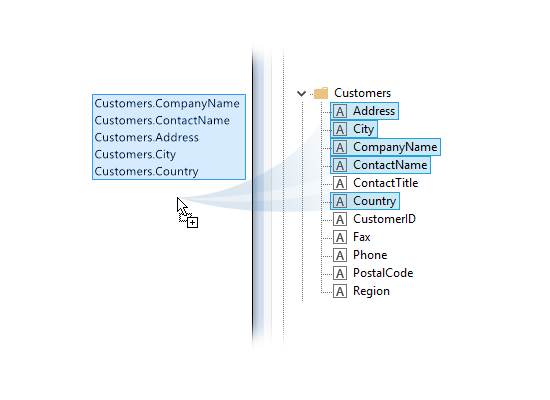
As with every release, we've added a lot of finetuning to the Designer and its objects. We haven't been able to cover each of the new features in the past LL21 blogpost feature marathon – there are just too many gems to uncover. So here are some of these new Designer features you don't want to miss that make working with LL smoother than ever before.

Lightning Fast Aggregations for .NET

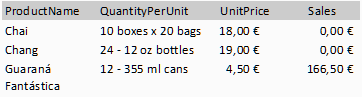
Aggregation within reports is a hot topic. While it is very convenient to just aggregate what you see it can become very expensive if huge amounts of data are involved. Think of sales statistics for your products – you don't really want to iterate through all order details in order to just get the total sales for your article. This is a task databases are optimized for.

Support for Nested Tables

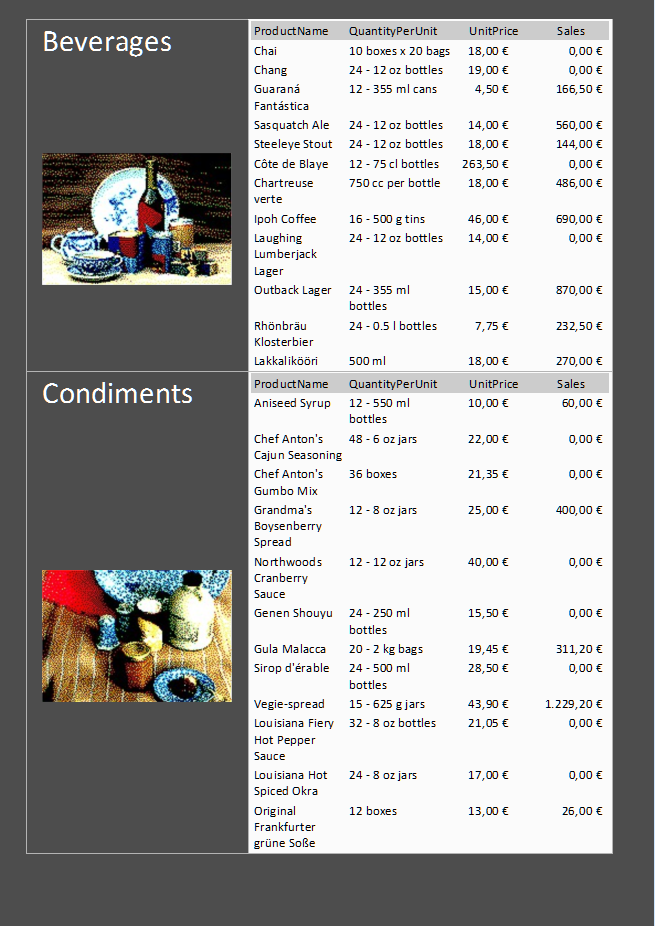
example for nested tables
One of the few requests that kept coming in was "Can we have the detail data in a column of the master table". While there are a couple of workarounds in version 20 that do similar things, the actual request could not be fulfilled this way. Plus, the workarounds were not as discoverable as we would have loved them to be as they included negative indents for line definitions and educated guesses on the number of detail records that are likely to be printed.This is going to change in version 21 – List & Label is going to support a new field type "table" which enables you to nest tables.